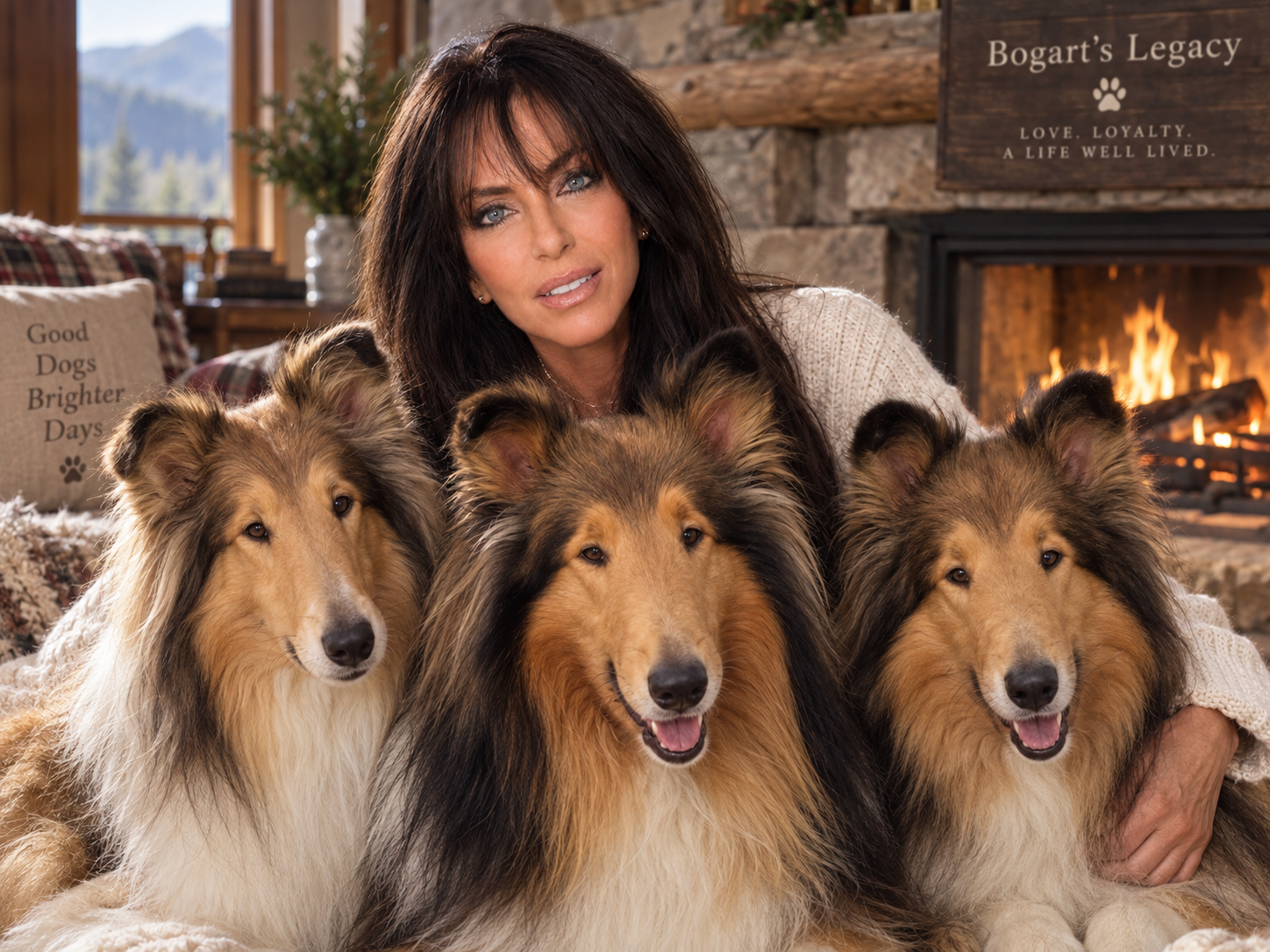
For eight years, there were three.
Bogart’s Legacy did not begin as an organization, an advocacy campaign, or a research initiative. It began with one dog I loved desperately and a question I kept asking: What else can I do to help him?
For eight years, there were three.
Bogart was one of three littermates who had shared my life for eight years. He was funny, social, affectionate, occasionally exasperating, and completely himself. He loved people. He loved being involved. And somewhere along the way, without my ever deciding it consciously, he became one of those dogs around whom daily life simply organized itself.
When he became seriously ill in the spring of 2026, my world narrowed very quickly to keeping him comfortable, understanding what was happening, and finding every reasonable way I could to give him more good time.
Research was not new to me.
I spent 25 years working on Wall Street, where accepting the first explanation offered to you was rarely a good strategy. I also spent decades showing, breeding, raising, and living with Rough Collies. Both taught me to notice patterns, question assumptions, look beneath averages, and keep digging when something did not make sense.
So when Bogart became ill, that instinct took over.
I researched his lymphoma. Then his medications. Then nutrition. Supplements. Drug interactions. Liver protection. MDR1. Supportive care. Treatment complications. The published literature behind veterinary recommendations. And, increasingly, the questions for which I could not find satisfactory answers.
I was not conducting an academic exercise.
There was a dog lying beside me whom I was trying to help.
For weeks, I researched late into the night, often until three or four in the morning, slept for a few hours, worked, cared for my dogs, and began again.
Bogart was not the only dog who needed me. Paris was recovering from two major orthopedic surgeries and months of extended rehabilitation, including ongoing therapy and acupuncture. Ciara had her own needs. Life did not stop because one member of the family had cancer.
But neither did the questions.
Every answer seemed to uncover another issue worth examining. Some were specific to Bogart. Others clearly were not.
I began to realize that what I was finding had implications far beyond one dog.
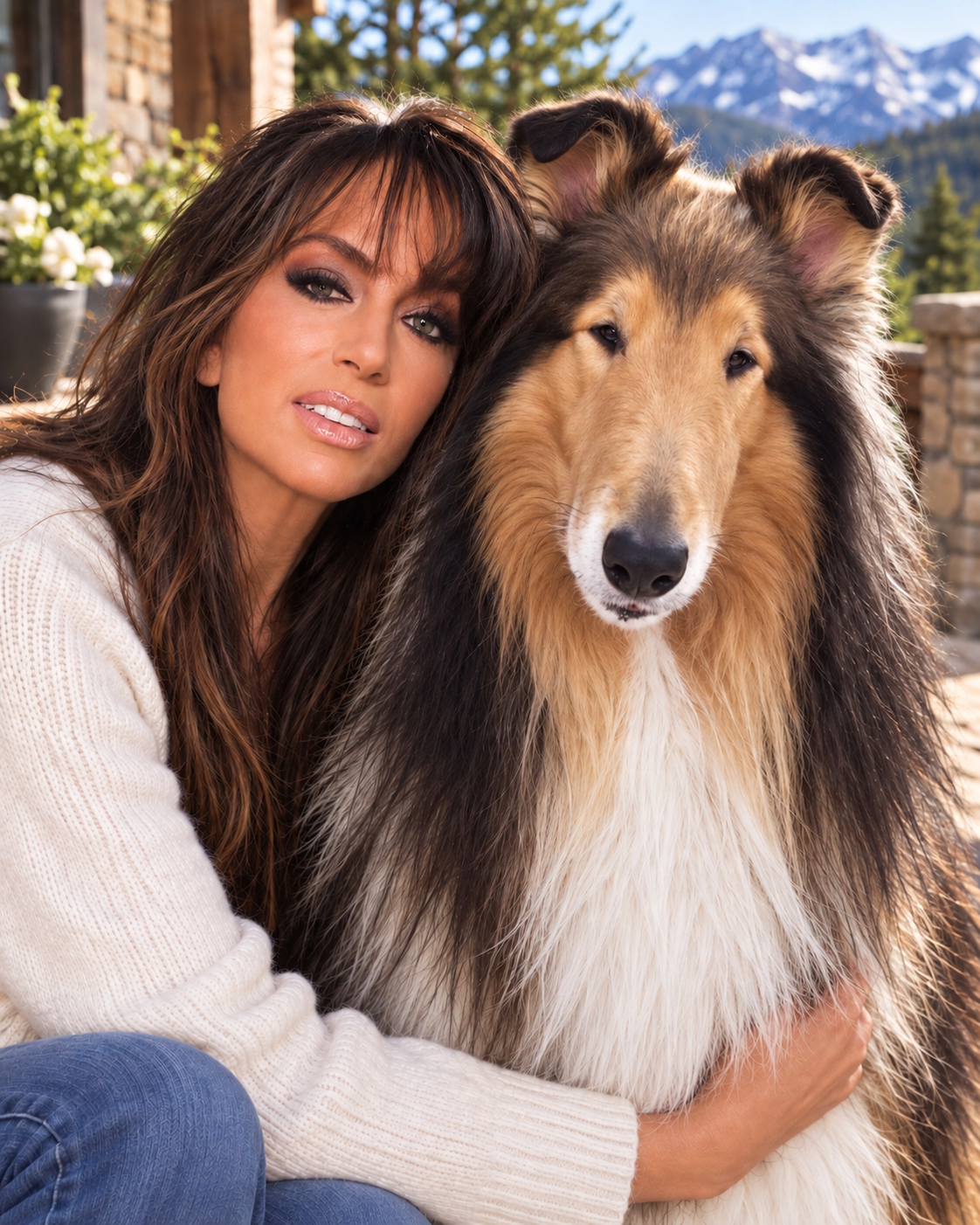
Bogart cannot benefit from the answers we find or the changes we help create. Other dogs can. If this work can help spare another dog from what he went through, that is why I keep going.— Jill Lanese
Bogart developed severe treatment-related liver injury during chemotherapy. Five days after that injury was identified, he died on June 30, 2026.
His lymphoma was terminal. I will never claim that another decision would necessarily have saved his life.
But I came away from his treatment with questions I could not put down — questions about monitoring, toxicity, supportive care, informed consent, individualized treatment, and the standards used when a dog begins to deteriorate.
And beneath all of those questions was a much more personal truth: I had trusted the process because I was trying to help him.
Losing him did not make the questions disappear. It made them matter more.
By the time Bogart died and in the weeks that followed, I had accumulated more than 2,100 hours of research.
At some point, I understood that I had a choice. I could allow all of that work to remain scattered across files, notes, papers, conversations, and one devastated owner’s experience. Or I could preserve it, organize it, test it against the evidence, continue asking the unanswered questions, and make what I learned available to others.
That decision became Bogart’s Legacy.
Today, the research reaches into canine oncology, treatment toxicity, supportive care, nutrition and hydration, environmental exposure, genetics, MDR1/ABCB1, neurologic and endocrine questions, informed consent, and veterinary standards of care.
Some of that work may eventually contribute to reform. Some of it may simply preserve useful knowledge that deserves to exist. Both matter to me.
Bogart’s Legacy is not built around the idea that one person has all the answers. Quite the opposite. It exists because important questions deserve to be examined carefully, evidence deserves to be preserved, and people from different disciplines can contribute something valuable to the conversation.

Now there are two.
I am still grieving him deeply.
His death did not leave an empty space that gradually faded into the background. It changed the shape of my life. There are days when the loss is still physically painful, when the absence of him feels impossible to reconcile with the fact that the world simply kept moving.
Bogart was not just a dog I loved. He was woven into my daily life, my routines, my home, and my sense of what “normal” felt like. Losing him took something from me that has not come back.
Building Bogart’s Legacy does not lessen that grief, and I do not think of this work as a way to move on from him.
I am not moving on from Bogart.
I am learning how to continue living with the fact that he is gone.
And somewhere inside that grief is the reason this work continues.
Bogart cannot benefit from the answers we find or the changes we help create now. Other dogs can.
That is why I keep going.